By Analyst Team · Updated 2026-08-27 · 8 min read

If you've been searching for a hearing support solution, you've likely encountered audifort — a supplement that claims to target the root causes of auditory decline rather than just masking symptoms. But before you pull the trigger on a purchase, there are several factors you need to evaluate carefully. This guide walks you through everything from ingredient transparency to realistic expectations, so you can make an informed decision rather than an impulsive one.
The hearing supplement market has exploded in recent years, and audifort sits among the more prominently marketed options. However, popularity doesn't automatically equal effectiveness. Understanding what this product actually does — and what it doesn't do — will save you both money and disappointment. Let's dive into the critical checklist before you commit.
Why Many People Regret Their audifort Purchase
The most common regret among audifort buyers isn't that the product is harmful — it's that they purchased with unrealistic expectations. Many assume a supplement will restore hearing to youthful levels within days. That's simply not how auditory health works. Hearing loss often involves cumulative damage to inner ear hair cells, and while certain nutrients may support remaining cell function, they cannot regenerate what's already gone.
Another frequent complaint centers on consistency. Users who take audifort sporadically — missing days or stopping after two weeks — report minimal results. Like most supplements targeting systemic health, audifort requires sustained use over several months to produce measurable changes. People who expected a quick fix often label it a scam when the real issue was adherence.
There's also the financial angle. Some buyers didn't read the subscription terms carefully and were surprised by recurring charges. Always review the billing structure before checkout — whether you're purchasing a one-time bottle or enrolling in an auto-ship program — to avoid unexpected charges that create resentment toward the product itself.
Finally, some regret stems from not consulting a healthcare professional first. If your hearing issues stem from an underlying medical condition like an ear infection, wax buildup, or otosclerosis, a supplement won't address those root causes. A proper audiological evaluation should always precede any supplement purchase.
Secure special promotional rates instantly before the window closes.
Activate Your audifort Subscription Now →Criteria That Should Drive Your Decision
Related Reading: IPTV Services: The Complete 2026 Guide to Streaming
Before purchasing audifort, evaluate it against several objective criteria. Ingredient transparency is paramount — the label should clearly list every component with its dosage. Be wary of proprietary blends that hide individual amounts, as you can't verify whether you're getting clinically relevant doses.
Clinical evidence matters too. Look for ingredients supported by peer-reviewed studies — things like magnesium, zinc, and certain B vitamins have documented roles in auditory function. If the formula contains only exotic herbs with no research backing, that's a red flag.
Manufacturing standards are equally important. Check whether the product is made in a GMP-certified facility and whether third-party testing results are available. These factors speak to quality control and purity, which directly affect both safety and efficacy.
Finally, consider the company's reputation. Look beyond the website's own testimonials — search independent review platforms, check the Better Business Bureau rating, and see how the company handles complaints. A pattern of unresolved issues should give you pause.
What You Need to Know About the Current Market
The hearing supplement market has grown substantially, driven by an aging population and increased awareness of auditory health. The global market for hearing supplements is projected to exceed several billion dollars by the end of the decade, which has attracted both legitimate manufacturers and opportunistic marketers.
Within this landscape, audifort positions itself as a premium option — typically priced higher than generic multivitamins but comparable to other specialized auditory formulas. The pricing structure often includes tiered discounts: a single bottle costs more per serving, while three or six-bottle bundles reduce the per-unit cost significantly.
One market trend worth noting is the shift toward combination formulas. Instead of single-ingredient products, manufacturers are blending multiple nutrients that target different aspects of auditory health — blood flow to the cochlea, antioxidant protection, neurotransmitter support, and anti-inflammatory effects. Audifort follows this multi-target approach.
However, the market also includes products making dubious claims about "curing" tinnitus or "reversing" hearing loss. Regulators have cracked down on some of these exaggerated marketing claims, so be discerning about what any product — including audifort — promises. Legitimate supplements support hearing health; they don't perform miracles.
Secure special promotional rates instantly before the window closes.
Activate Your audifort Subscription Now →Questions to Ask Before Buying audifort
Related Reading: How to Get Free Ebay Gift Card 2026: Start Here
Arm yourself with these critical questions before checkout:
- What is my actual hearing issue? — Have you had a professional evaluation? Knowing whether your problem is sensorineural, conductive, or age-related changes your expectations significantly.
- What ingredients are in the formula, and at what dosages? — Cross-reference these against published research to verify clinical relevance.
- Are there any potential interactions with my current medications? — Some ingredients, like high-dose vitamin B6 or certain herbs, can interact with blood thinners or antidepressants.
- What is the actual cost per month? — Factor in shipping, taxes, and whether the advertised discount requires a subscription commitment.
- What is the return policy? — A 60 or 90-day money-back guarantee signals confidence. A no-refund policy should raise concerns.
- How long should I take it before evaluating results? — Most auditory supplements require 90 days minimum for noticeable changes.
- Is the company transparent about realistic outcomes? — Look for claims that are measured and evidence-based rather than hyperbolic.
Warning Signs to Spot Immediately
Several red flags should make you reconsider any hearing supplement, including audifort if it displays these characteristics. Guaranteed "cures" are the biggest warning — no legitimate supplement can promise to cure hearing loss or tinnitus. Regulatory bodies prohibit such claims for good reason.
Artificial urgency is another common tactic. Countdown timers, "only 7 bottles left" notifications, and expiring discount codes pressure you into impulse decisions. Legitimate companies don't need to manufacture scarcity for a quality product.
Watch for fake testimonials — overly dramatic before-and-after stories with stock photos or unverifiable names. Genuine reviews are typically more measured and may include some negative experiences. Also be cautious of vague ingredient labels that list "proprietary blend" without specific dosages.
Finally, be wary of negative review suppression. If a product has only five-star reviews across every platform, that's statistically suspicious. Real products generate a distribution of experiences, including some dissatisfied customers.
audifort vs. Alternative Hearing Support Options
Related Reading: Synadentix Reviews: The Complete Buyer's Guide 2026
To contextualize audifort, compare it against other approaches to hearing support. The table below outlines key differences across popular categories.
As the table shows, audifort occupies a middle ground — more affordable than hearing aids but more specialized and expensive than a multivitamin. Its role is best understood as supportive rather than corrective. For significant hearing loss, no supplement replaces professional intervention.

Pros and Cons of audifort
What Works Well
- Transparent labeling with disclosed ingredient dosages
- Multi-target formula addressing several auditory pathways
- Generally well-tolerated with minimal reported side effects
- Money-back guarantee reduces financial risk
- Convenient once-daily dosing schedule
- Manufactured in GMP-certified facilities
Potential Drawbacks
- Higher price point compared to standard supplements
- Results vary significantly between individuals
- Requires consistent use for 3+ months to evaluate
- Not suitable as a standalone treatment for severe hearing loss
- Subscription model may auto-renew if not carefully managed
- Limited large-scale clinical trials on the complete formula
Recommendations by Budget and Needs
Budget-conscious buyers: Start with a single bottle to test tolerance and initial response before committing to a multi-bottle bundle. This minimizes upfront investment while still giving you a fair trial period. If you notice improvements within the first month, upgrading to the 3-bottle package makes financial sense.
Those with mild, age-related hearing decline: Audifort may be a reasonable addition to your routine, especially if you're also implementing protective measures like avoiding loud environments and wearing ear protection. Combine it with regular audiological check-ups to track changes objectively.
Individuals with diagnosed medical conditions: If your hearing loss stems from a specific diagnosis — like Meniere's disease or acoustic neuroma — a supplement should be an adjunct to, not a replacement for, your prescribed treatment. Consult your ENT specialist before adding audifort.
Those with tinnitus: While some users report reduced tinnitus severity, results are inconsistent. If tinnitus is your primary concern, consider combining audifort with sound therapy or cognitive behavioral approaches, which have stronger evidence for tinnitus management.
How to Maximize Your Investment in audifort
Getting the most from audifort requires more than just swallowing a capsule daily. Consistency is non-negotiable — set a daily alarm or pair the supplement with an existing habit like morning coffee or brushing your teeth. Skipping days diminishes the cumulative effect.
Pair it with protective lifestyle changes. Reduce your exposure to loud noises, wear earplugs at concerts or when using power tools, and keep headphone volume at 60% or lower. A supplement cannot outpace ongoing damage from hazardous noise exposure.
Track your progress systematically. Note baseline difficulties — like trouble hearing conversations in restaurants or needing the TV volume higher than before — and reassess monthly. Subjective improvements are valid, but written records help you evaluate honestly.
Support overall cardiovascular health. The inner ear relies on healthy blood flow. Regular exercise, adequate hydration, and a diet rich in antioxidants complement the supplement's mechanism. Consider reducing alcohol and quitting smoking, both of which impair cochlear blood supply.
Give it a fair trial. Commit to at least 90 days of consistent use before deciding. If you've followed the protocol and seen no change, that's valuable information — and you can exercise the money-back guarantee if the product offers one.
Final Subscription Window:
Main Offer Today →Affiliate Disclosure: Clicking this secure link verified by our network supports our team through standard partnership terms at zero extra cost to your invoice.
Frequently Asked Questions
How long does audifort take to show noticeable results for hearing support?
Most users report subtle changes within 4 to 6 weeks, with more significant improvements emerging around the 8 to 12-week mark. The formula works by supporting cellular health and blood flow in the inner ear, which requires cumulative nutrient availability. Individual response times vary based on age, baseline hearing status, and consistency of use. For the most reliable assessment, commit to a full 90-day trial before evaluating outcomes.
Can audifort help with tinnitus or ringing in the ears?
Some audifort users report a reduction in tinnitus intensity, likely due to ingredients that support cochlear blood flow and reduce oxidative stress in auditory tissues. However, results are inconsistent — some users notice no change in their tinnitus whatsoever. Tinnitus has multiple underlying causes, and supplements address only certain pathways. For persistent tinnitus, combining audifort with sound therapy or consulting an audiologist provides a more comprehensive approach.
Is audifort safe to take alongside prescription medications?
While audifort contains generally well-tolerated ingredients, certain components may interact with specific medications. High-dose B vitamins can interfere with some anticonvulsants, and ingredients affecting blood flow may amplify the effects of blood pressure medications. Always review the full ingredient list with your pharmacist or physician, particularly if you take blood thinners, antidepressants, or medications for heart conditions. Your healthcare provider can assess potential interactions based on your complete medication profile.
What is the recommended daily dosage and best time to take audifort?
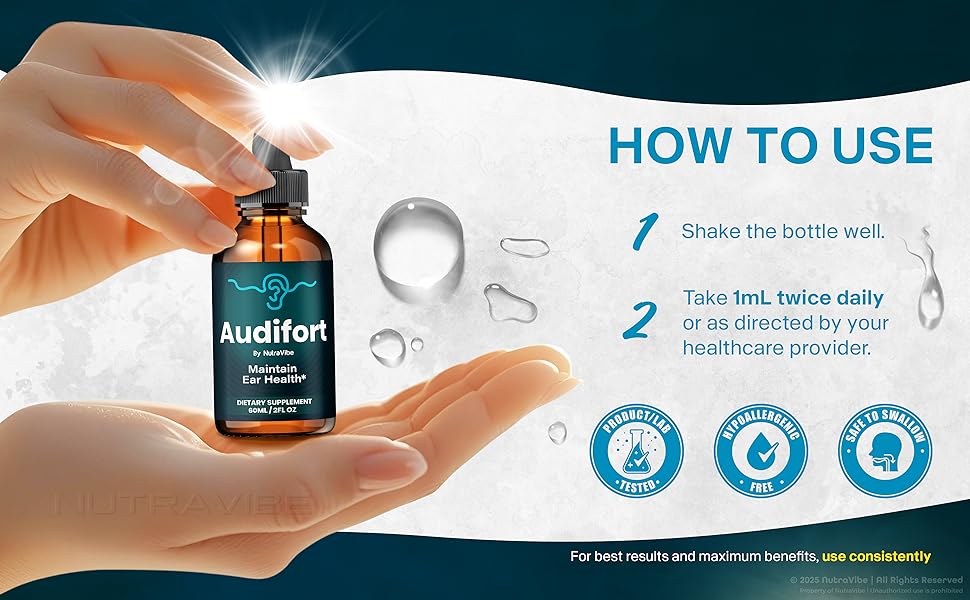
The standard recommendation is one capsule taken once daily, ideally with a meal containing some fat to enhance absorption of fat-soluble nutrients. Morning dosing tends to work well for most people, though consistency matters more than timing. Taking it at the same time each day helps establish a routine that supports adherence. Do not exceed the recommended dosage, as more is not better with nutrient supplements.
Does audifort require a prescription, or can I purchase it over the counter?
Audifort is classified as a dietary supplement, so it does not require a prescription and is available for direct purchase online. It's not regulated as a drug by the FDA, which means the manufacturer is responsible for quality and safety compliance. This makes it accessible, but also means you should exercise due diligence in verifying the product's manufacturing standards and ingredient claims before purchasing.
What is audifort's refund policy if it doesn't work for me?
The manufacturer typically offers a 60 or 90-day money-back guarantee, allowing you to return opened or unopened bottles for a full refund minus shipping costs. This policy reduces the financial risk of trying the product. Be sure to read the specific terms on the official website, including the return window and process for initiating a refund. Some third-party retailers may have different return policies, so purchase directly from the manufacturer when possible.
Are there any known side effects associated with audifort?
Most users tolerate audifort without significant side effects, but some individuals may experience mild gastrointestinal discomfort, nausea, or headaches during the first few days as the body adjusts. These symptoms typically subside with continued use. If you experience persistent or severe side effects, discontinue use and consult a healthcare professional. As with any supplement, those with pre-existing conditions or who are pregnant or nursing should seek medical advice before starting.
Can audifort replace hearing aids for moderate to severe hearing loss?
No — audifort is not designed to replace hearing aids and cannot restore lost hearing function. Hearing aids provide mechanical amplification that compensates for damaged hair cells, while supplements support remaining cellular health. For moderate to severe hearing loss, hearing aids remain the standard of care. Audifort may complement hearing aid use by supporting overall auditory health, but it should never be used as a substitute for professionally prescribed hearing solutions.