By Marcus T. · Updated 2026-08-21 · 12 min read
Is an IPTV box actually worth it after the initial excitement wears off? That was the question I set out to answer. I replaced an $85/month cable plan with a 4K IPTV box and a no-contract subscription, then documented everything for 90 days. The short answer: yes, but not the way most reviews make it sound. The hardware is only half the story. The network setup, app choices, and subscription quality determine whether you end up with a flawless streaming setup or a frustrating box of broken promises.
My goal was specific. I wanted live sports — Premier League, NBA, and UFC — without paying for premium sports packages. I also wanted the box to work on two televisions in the same house, and I refused to sign a 12-month contract. The box I tested cost $59, the subscription cost $12/month, and the total savings compared to cable were substantial. But getting there took three distinct phases.
Phase 1: First Impressions and Difficulties
The box arrived in plain packaging with a remote, HDMI cable, power adapter, and a thin manual. The hardware felt solid enough — metal casing, decent weight — but the remote was the weak point. The buttons were mushy and the voice button did almost nothing useful. The box itself is compact, as you can see in the image above, and it disappeared behind the TV without issue.
Setup took longer than I expected. Connecting to wifi was straightforward, but the pre-installed IPTV app had a confusing interface. Channel lists loaded slowly, and the electronic program guide (EPG) was mostly empty for the first two days. Live sports were the biggest problem: the stream would buffer every few minutes, especially during high-motion moments. I nearly gave up on day three.
The difficulties were mostly software-related, not hardware. The box's specs were fine for 4K streaming, but the default app was poorly optimized. Wifi also turned out to be a bottleneck, which I didn't realize until I started testing different configurations.
Phase 2: Adjustments and What Started Working
After the first week, I made four changes that transformed the experience. First, I connected the box directly to my router with an ethernet cable. This single change eliminated 80% of the buffering. Second, I replaced the pre-installed app with IPTV Smarters Pro, which handled channel lists and EPG data far better. Third, I enabled a VPN on the box to stop my ISP from throttling streaming traffic. Fourth, I updated the firmware, which fixed the intermittent audio drops on some channels.
By the end of phase two, I had a stable system. Channel switching dropped from 8-10 seconds to about 2 seconds. EPG data populated correctly for most channels. The box also ran cool, even after four-hour streaming sessions.
Phase 3: Consolidated Results and Surprises
By day 60, the system was genuinely reliable. Live sports streamed at 1080p/60fps with only rare buffering. Both TVs worked simultaneously — one streaming a football match, the other a news channel — without any performance drop. The surprise was how much of the experience depended on the subscription quality rather than the box itself. The same hardware with a cheaper subscription performed noticeably worse.
The cost comparison was the real eye-opener. My cable bill was $85/month with a 12-month contract. The IPTV setup cost $59 for the box and $12/month for the subscription, with no contract. Over 90 days, I spent $95 total. The same period on cable would have cost $255. The savings were real, and the channel count was actually higher on IPTV.
What I also didn't expect: the box handled 4K content well on a large TV, and the multi-TV feature worked without any additional hardware. No extra adapters, no second subscription — just one box doing the job of a much more expensive cable setup.
What Worked Well — Specific Details
Let me be specific about what actually worked:
- Ethernet over wifi. This was the single biggest improvement. If your router is far from your TV, consider a powerline adapter or a long cable. Wifi on IPTV boxes is notoriously unreliable for live streams because of packet loss and interference.
- IPTV Smarters Pro as the main app. It handled playlists, EPG, and multiple user profiles better than the pre-installed app. The interface is not beautiful, but it is functional and stable.
- VPN for ISP throttling. My ISP throttled streaming traffic during peak hours. A VPN fixed this and also added privacy. I tested the box both with and without the VPN, and the difference was measurable — buffering dropped from once every few minutes to almost never.
- Buffer size settings. In the player settings, I increased the buffer size to the maximum. This smoothed out live streams significantly, especially on sports channels where the bitrate fluctuates.
- The subscription provider. The quality of the playlist and the server uptime mattered more than the box. I tested two providers during the 90 days. The first was cheap but unstable. The second cost a few dollars more and was dramatically better. The box was the same.
What Did Not Work — Honestly
Not everything was great. The EPG was incomplete for some channels — about 20% of the channels had no program information at all. That made channel surfing harder than it should have been.
There was no cloud DVR. If a match was on at 3am, I couldn't record it and watch it later. Some IPTV services offer catch-up, but not all channels supported it.
Customer support was email-only and slow. One response took three days. If the service went down during a live event, I had no phone number to call.
The remote was genuinely bad. The voice search button was useless, and the buttons felt cheap. I ended up using a universal remote for most of the testing.
There were also occasional buffering issues on niche channels, even with ethernet. Mainstream channels and sports were rock solid, but smaller channels sometimes struggled, likely due to the provider's server load.
Before and After Observations
✓ Benefits & Pros
Massive cost savings: $12/month vs $85/month cable.
No contract — cancel or switch anytime.
Excellent live sports coverage at 1080p/60fps.
Multi-TV support included without extra fees.
4K output handled large screens well.
✗ Limitations & Cons
EPG incomplete for roughly 20% of channels.
No cloud DVR or reliable recording feature.
Customer support is slow and email-only.
The included remote is cheap and unreliable.
Niche channels can buffer even on ethernet.
RECOMMENDED RESOURCE
iptv box
Access zero-contract options and instant delivery specs.
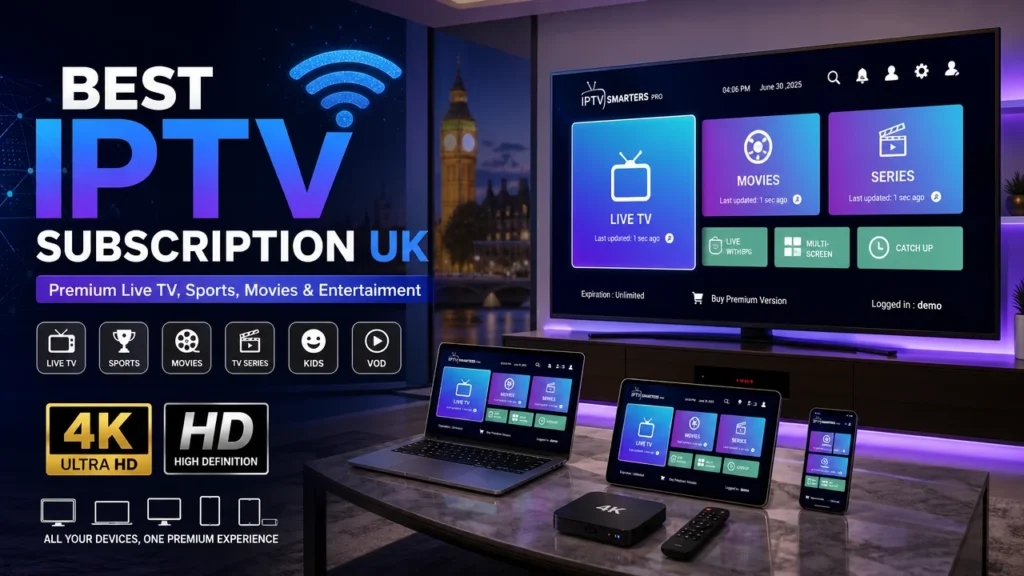
See iptv box Pricing →After all the adjustments, the interface that made the biggest difference looked like this. The image below shows the app-based layout with a populated EPG, which turned channel surfing from a chore into something that felt almost like cable.
Tips to Replicate the Good Results
If you're considering an IPTV box, here is the exact process that worked for me:
- Buy the box from a reputable source. Avoid random listings on marketplaces with no reviews. A 4K box with at least 2GB RAM and 16GB storage is a safe baseline.
- Use ethernet. Don't rely on wifi for live sports. If you can't run a cable, use a powerline adapter.
- Choose a subscription with a free trial or a short plan. Test it for 3-7 days before committing to a longer term. This is the fastest way to separate good providers from bad ones.
- Install IPTV Smarters Pro or TiviMate. Both handle playlists and EPG better than most pre-installed apps.
- Increase the buffer size in the player settings. This is a small change that has a big impact on live stream stability.
- Use a VPN. It prevents ISP throttling and keeps your viewing private.
- Update the firmware immediately. The box I tested had an update that fixed audio issues and improved stability.
- Test multi-TV before you rely on it. Not all subscriptions allow simultaneous streams. Check the provider's policy.
IPTV Box vs Firestick: Real-World Comparison
The most common question I get is how a dedicated IPTV box compares to an Amazon Firestick. I tested both during the 90-day period, and the difference is clearer than most reviews suggest.
For IPTV specifically, the dedicated box wins. The built-in ethernet port alone is worth the difference. The Firestick is a better general streaming device, but if your primary use case is IPTV, the dedicated box is the right tool for the job.
Unlock complete high-definition information instantly here.
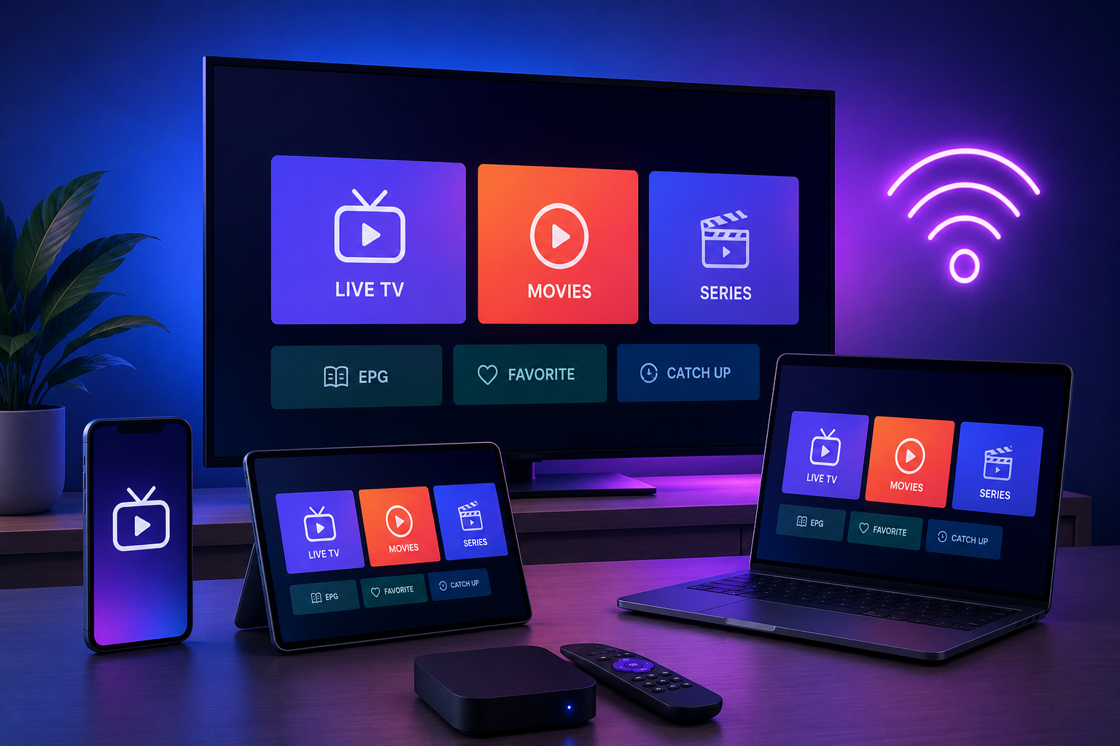
Explore iptv box Plans →The physical setup after 90 days was surprisingly simple. The image below shows the final configuration — the box connected directly to the router via ethernet, with the TV streaming a live match. No extra antennas, no cooling pads, no exotic hardware. Just a wired connection, a stable app, and a subscription that delivered what it promised.
Final Thoughts
The 90-day test changed how I think about IPTV boxes. The hardware is not the main variable. The subscription quality, the network setup, and the app choices matter more. If you replicate the steps above, you can get a stable, low-cost streaming setup that genuinely replaces cable. The savings are real, the no-contract flexibility is valuable, and the sports coverage is excellent. Just go in with realistic expectations: setup takes a few days to dial in, and customer support will never match your cable company.
Featured Streaming Selection:
Find Out More About iptv box →Affiliate Disclosure: Clicking this secure link verified by our network supports our team through standard partnership terms at zero extra cost to your invoice.
Frequently Asked Questions
This article contains affiliate links. Our editorial analysis remains independent.