By Marcus D. · Updated 2026-08-19 · 10 min read
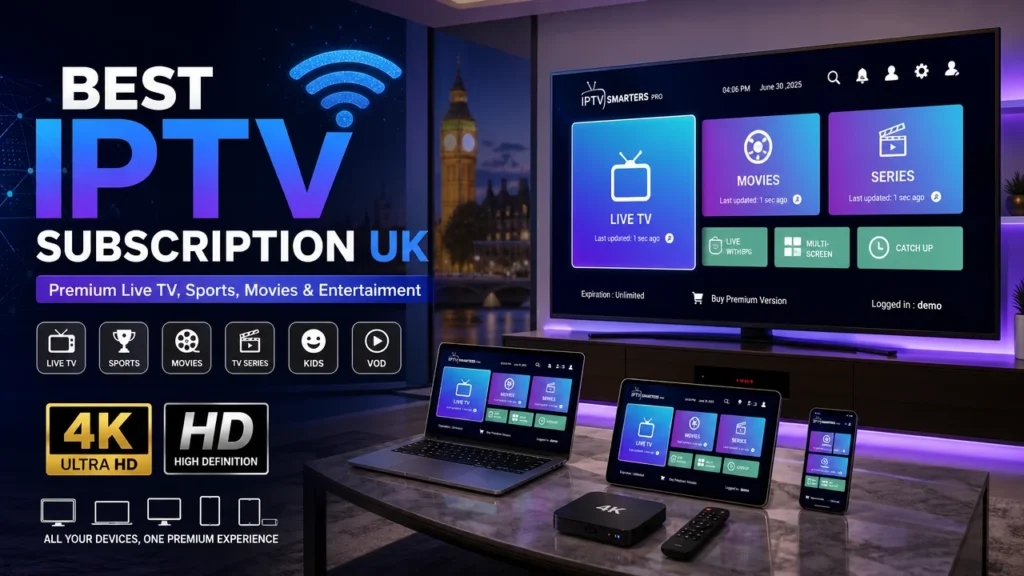
Is IPTV legal? The technology itself is legal. IPTV simply means delivering television over an internet protocol network instead of cable, satellite, or antenna. What makes a specific service legal or illegal is whether the operator has permission—usually a license, retransmission consent, or direct content ownership—to broadcast those channels. The setup screen above shows a typical legal IPTV dashboard, but the interface alone tells you nothing. Plenty of illegal services copy the same design.
If you are asking “is iptv legal in USA,” the answer for most mainstream streaming services is yes, because they have licenses for each channel. The risk comes from unverified providers that resell live TV feeds without authorization. This quick-start guide explains how to find, verify, and set up a legal IPTV subscription without falling for common traps. You do not need technical experience. You mainly need to check the right details before you pay.
What You Will Accomplish by the End
You will move from confusion to a working legal IPTV setup. The process is designed to be quick but careful. By the end, you should be able to answer the question “is iptv legal” for your own situation and avoid services that put you at risk.
- Understand the legal difference between licensed and unverified IPTV
- Know which checks to run before subscribing
- Set up a legal IPTV service on your main device
- Monitor and verify that your subscription stays legitimate
What You Need Before Starting
Gather these basics before you begin. None of them require special tools. The goal is to have a stable baseline so you can focus on legal verification instead of setup friction.
- Internet connection: 15 Mbps or higher for HD streams, 25 Mbps or higher for 4K.
- Supported device: Amazon Fire Stick, Roku, Apple TV, Android TV, smart TV, phone, tablet, or PC.
- Payment method: Credit card, debit card, or PayPal. Avoid services that only accept crypto or gift cards.
- Email address: Use an email you check often for receipts, login codes, and renewal notices.
- Notes app or spreadsheet: You will record provider details, renewal dates, and verification checks.
You do not need a VPN for a legal IPTV service. A VPN does not make an illegal service legal. It only changes your network path. If a provider tells you to use a VPN to bypass region locks, that is a red flag.
Step 1: Understand the Legal Baseline
IPTV legality explained simply: the delivery method is not the issue. The content license is. In the United States, the Communications Act, DMCA, and copyright law protect TV programming. A legal IPTV provider either owns the channels it offers or has obtained retransmission and distribution rights from the content owners.
When a service offers hundreds or thousands of premium channels for a very low monthly price, the income usually cannot cover licensing costs. That means the operator is likely redistributing feeds without permission. Even if the stream looks fine, using it can carry legal and security risks. Your job in this step is to recognize that gap.
What to Watch For
- No company name, address, or registered business information
- Support only through Telegram, WhatsApp, or Discord
- Crypto-only or gift-card-only payment options
- Thousands of channels for under $15 per month
- No official app in Amazon, Google, Apple, or Roku stores
- Vague language about licensing or “worldwide channels”
Step 2: Choose a Legal IPTV Provider
The best legal IPTV service for you depends on your channel needs, budget, and device ecosystem. In the US, recognized legal IPTV providers include YouTube TV, Hulu + Live TV, Sling TV, Fubo, Philo, and DirecTV Stream. These services appear in official app stores, list clear terms, and bill through standard payment processors.
How to find legal IPTV without guessing: start from the official app store on your device, or go directly to a provider’s known website. Search for reviews on established tech sites. Avoid clicking ads that promise “all channels for free” or “premium IPTV lifetime.” Those are often unverified resellers.
Common Mistakes That Lead to Illegal IPTV
- Buying a “fully loaded” streaming device from a third party
- Subscribing after seeing a social media ad with no company details
- Assuming a free trial or low price means the service is legal
- Ignoring region locks or geo-restriction warnings
- Using a sideloaded APK instead of an official app
✓ Benefits & Pros of Legal IPTV Services
Clear channel licensing and fewer takedown risks.
Reliable streams with official app support and updates.
Real customer support, refund policies, and payment protection.
No legal risk from unauthorized retransmission.
✗ Limitations & Cons of Legal IPTV Services
Higher monthly cost than unverified cheap subscriptions.
Channel lineups vary by region and may not include every network.
Some plans require a credit check or annual contract.
Still needs stable internet and compatible hardware.
RECOMMENDED RESOURCE
is iptv legal
Access zero-contract options and instant delivery specs.
See is iptv legal Pricing →Use the comparison below as a quick reference when you open a provider’s website. A legal service will show company details, payment processors, and an official app store link. An unverified portal often hides those elements behind a flashy channel list.
Step 3: Verify Service Legitimacy Before You Pay
This step turns you from a passive buyer into a careful verifier. A safe iptv subscription starts with a provider that passes basic legitimacy checks. Spend ten minutes on this before entering payment details.
Legitimacy Checks
- Find the company name and physical address on the website’s terms or privacy page.
- Confirm the app is listed in Amazon, Google Play, Apple App Store, or Roku Channel Store.
- Search for independent reviews that mention billing, support, and cancellation.
- Contact support before buying. Ask one question about channel licensing or regional availability.
- Check if the payment processor is recognizable. PayPal, Stripe, or a known card gateway is a good sign.
Optimization Tips for a Smoother Setup
- Use the provider’s official app instead of a generic IPTV player when possible.
- Enable automatic app updates to receive security patches.
- Set up the electronic program guide (EPG) if the service offers one.
- Connect your device via Ethernet instead of Wi-Fi for live sports and 4K.
- Turn on parental controls if children use the same profile.
Where to buy legal iptv is simpler than it looks: buy directly from the provider’s official website or through the app store. Avoid resellers that promise the same service at a fraction of the price. Legal IPTV vs illegal IPTV often comes down to whether the seller can explain where the channels come from.
Review up-to-date regional server maps and infrastructure.
View the is iptv legal Platform →
Step 4: Finalization and Verification
After you choose a legal provider, complete the setup and verify that everything works as expected. This final step prevents surprises later.
Setup Checklist
- Sign up on the provider’s official website or through the app store.
- Install the official app on your primary device.
- Log in and test three to five live channels from different categories.
- Check video quality, audio sync, and closed captions.
- Test the DVR or on-demand library if included.
- Record the renewal date, price, and support contact in your notes.
If the service performs as advertised and the provider has passed your earlier legitimacy checks, you have a working legal IPTV setup. You do not need to keep second-guessing. Do a quick review every few months in case the provider changes terms or channel availability.
Troubleshooting If Something Goes Wrong
Even a legal IPTV service can have technical hiccups. Most fixes are simple. Here are the common ones.
- Buffering or freezing: Test your internet speed, restart the router, switch to Ethernet, or lower the stream quality from 4K to HD.
- Can’t find the app in the official store: If the provider requires sideloading, stop and re-evaluate. Most legal IPTV providers have an official app.
- Payment declined: Check that your card allows digital purchases. Try PayPal or a different card. Do not send bitcoin or gift cards.
- Channel missing or blackout: Legal providers can lose rights to a channel. Contact support to confirm whether the channel is still in your plan.
- Geo-restriction error: Use the service in the country where you signed up. A VPN should only be used if the provider explicitly permits it, not to bypass copyright.
- No program guide data: Update the app, rescan or refresh the guide, or check if your plan includes EPG data.
Summary Table of All Steps
Featured Streaming Selection:
Find Out More About is iptv legal →Affiliate Disclosure: Clicking this secure link verified by our network supports our team through standard partnership terms at zero extra cost to your invoice.
Frequently Asked Questions
This article contains affiliate links. Our editorial analysis remains independent.